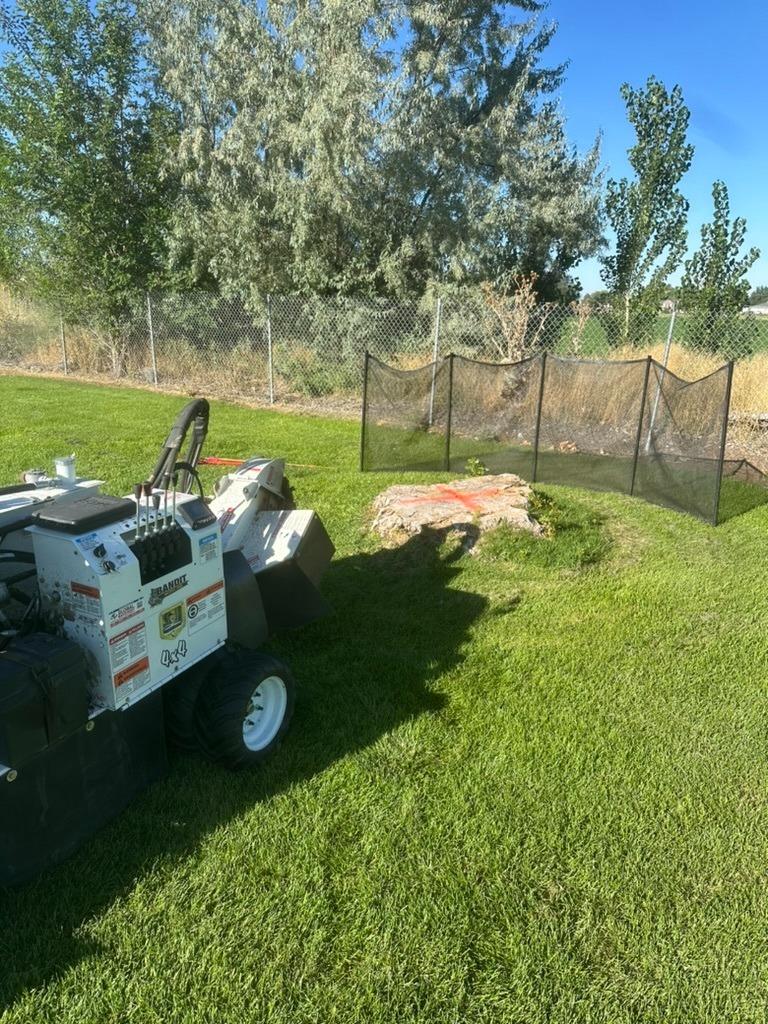
Why Do Some Tree Stumps Cost More to Grind Than Others?
Introduction
At first glance, stump grinding might seem like a simple, uniform service. But once you start comparing quotes, you’ll notice that some tree stumps cost significantly more to grind than others—even within the same property.
This variation isn’t random. It’s based on a combination of physical factors, site conditions, and the complexity of the job. For homeowners in Charlotte, NC, where property layouts and tree types can vary widely, understanding these differences is key to knowing what you’re paying for.
This guide breaks down exactly why certain stumps cost more to grind and what you should look for before scheduling the service.
What Makes One Stump More Expensive Than Another?
Not all stumps are created equal. Several distinct factors can increase the difficulty of the job and, in turn, the cost.
Stump Size and Diameter
Larger stumps require more time and machine effort to grind down.
More surface area means more grinding passes
Thicker trunks take longer to break down
Larger stumps often have wider root systems
Even a small increase in diameter can noticeably impact pricing.
Tree Species and Wood Density
Different tree species have different hardness levels.
Hardwoods like oak are denser and slower to grind
Softer woods like pine are generally quicker to process
The type of tree directly affects how much resistance the grinding equipment encounters.
Root System Complexity
Some stumps come with extensive root networks that extend well beyond the visible base.
Surface roots can interfere with landscaping
Dense root systems require additional grinding
Roots near structures must be handled carefully
In many Charlotte properties, especially older ones, root systems can be more developed and complex.
Accessibility of the Location
The easier it is to reach the stump, the simpler the job.
Open access allows for efficient machine placement
Tight spaces require smaller equipment or manual work
Obstacles increase setup time
Limited access is one of the most common reasons for higher costs.
Ground Conditions and Terrain
The condition of the ground plays a role in how smoothly the process goes.
Uneven terrain slows down equipment operation
Slopes require careful positioning
Rocky soil can interfere with grinding
These conditions can add time and complexity to the project.
How Different Factors Combine to Affect Pricing
Most stump grinding jobs involve more than one factor. It’s the combination of these elements that determines the final cost.
Here’s how common scenarios compare:
Here’s how common scenarios compare:This comparison shows that cost isn’t based on a single factor—it’s the overall difficulty of the job.
How Contractors Evaluate Stump Grinding Jobs
Before providing a quote, professionals follow a clear evaluation process to determine pricing.
Measure the Stump
The first step is to determine the diameter at ground level. This sets the baseline for cost.
Assess the Surrounding Area
Contractors evaluate what’s around the stump, including:
Structures
Landscaping
Obstacles
This helps determine how accessible the site is.
Check Root Spread and Condition
The extent of the root system is considered, especially if additional grinding may be needed.
Determine Equipment Needs
Based on the size and location, the appropriate equipment is selected. More complex jobs may require specialized machinery.
Estimate Time and Labor
Finally, the contractor estimates how long the job will take and how much effort is required.
This step-by-step evaluation ensures that pricing reflects the actual scope of work.
FAQs About Stump Grinding Costs
Why do two stumps of the same size have different costs?
Even if the diameter is the same, differences in access, root systems, and surrounding conditions can make one stump more difficult to grind than another.
Do older stumps cost less to grind?
Not always. While some older stumps may be partially decayed, they can still have strong root systems that require additional work.
Does stump location affect the price?
Yes. Stumps located in hard-to-reach areas or near structures typically cost more due to the added complexity.
Are larger stumps always more expensive?
In most cases, yes. Larger stumps require more time and machine effort, which increases the cost.
Is it more cost-effective to grind multiple stumps at once?
Yes. Handling multiple stumps in one visit often reduces the cost per stump due to increased efficiency.
Conclusion
The cost of stump grinding depends on more than just the size of the stump. Factors like tree type, root systems, accessibility, and site conditions all play a role in determining how complex the job is. Understanding these elements helps explain why some stumps cost more to grind than others.
For homeowners in Charlotte, NC, having a clear understanding of these variables makes it easier to plan and budget for stump removal. Working with a focused service provider like ASAP Stump Grinding ensures the job is handled efficiently, with the right approach for each unique situation.
