When Is Deep Grinding Necessary for Replanting?
Introduction
After a tree is removed, many property owners plan to replant in the same area. It seems straightforward—remove the stump, plant something new, and move on. But this is where one important detail comes in: how deep the stump was ground.
Standard stump grinding removes the visible portion and a few inches below ground level, which is enough for basic lawn use. However, when replanting is the goal, that depth isn’t always sufficient. In Charlotte, NC, where soil conditions and landscaping plans vary, understanding when deep grinding is necessary can make the difference between healthy plant growth and ongoing issues underground.
What Is Deep Stump Grinding?
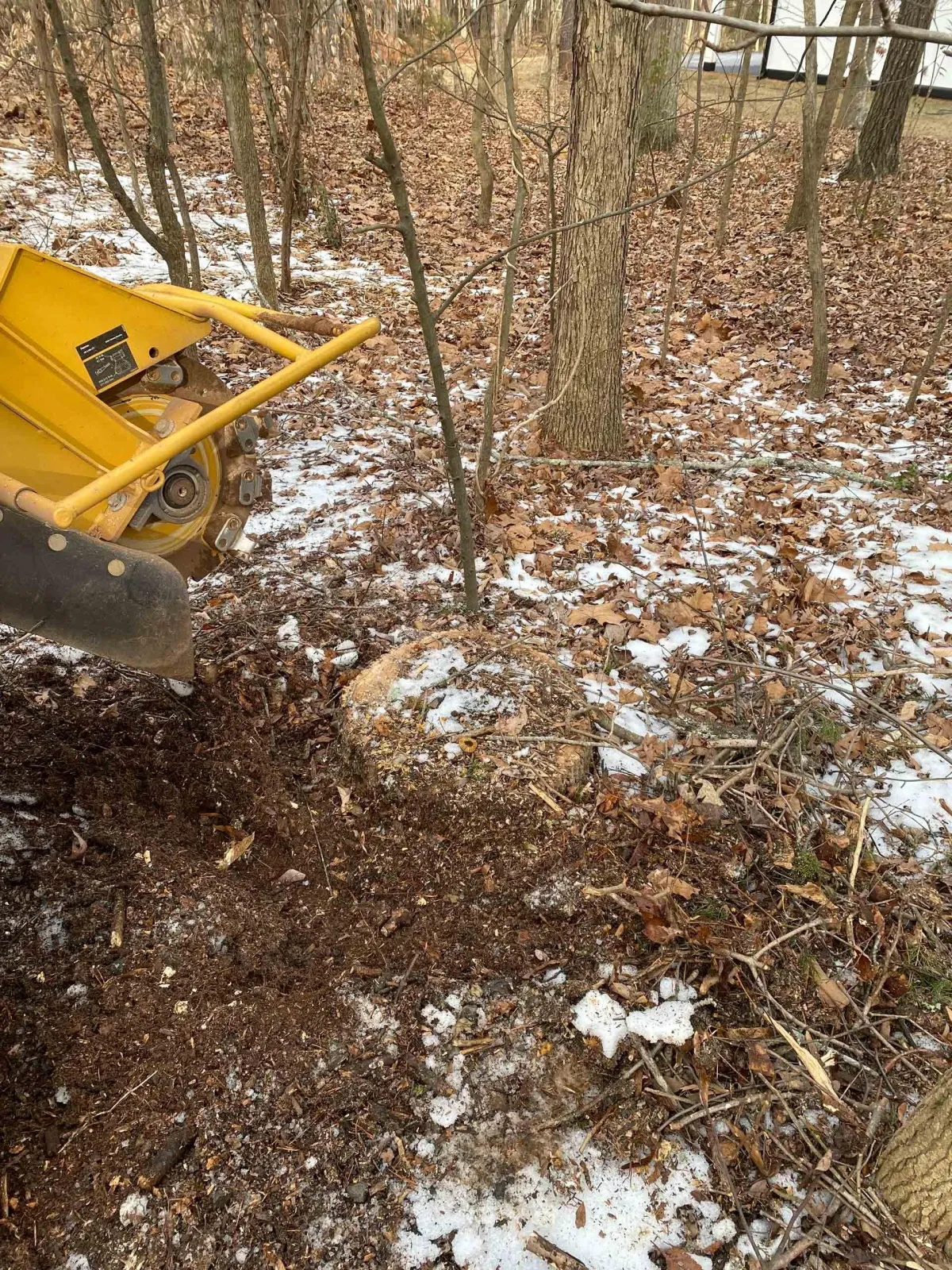
Deep stump grinding goes beyond the standard 6–8 inches below ground level. It removes more of the stump and underlying wood material to create a clearer, more usable planting area.
This process focuses on eliminating the remaining stump mass that could interfere with new root development. Instead of just leveling the surface, deep grinding prepares the soil for future planting by reducing obstructions below ground.
Why Standard Grinding Isn’t Always Enough
Standard grinding works well for restoring a lawn, but replanting introduces different requirements.
When a stump is only partially removed:
Residual wood remains underground
Roots from the previous tree can still occupy space
Soil composition may be uneven or unstable
These conditions can make it harder for a new plant or tree to establish strong roots. In many cases, this leads to poor growth or the need for additional work later.
Situations Where Deep Grinding Is Necessary
Deep grinding isn’t required for every project. It becomes important when specific conditions or plans demand a more thorough removal.
Replanting a Tree in the Same Spot
Planting a new tree where the old one stood requires more space underground.
Tree roots need room to expand
Old root systems can compete for space
Residual wood can block proper root growth
Deep grinding helps create a more suitable environment for new root development.
Installing Landscaping Features
If you plan to add features like garden beds or structured landscaping, deeper removal may be needed.
Raised beds require stable soil
Decorative plantings need consistent ground conditions
Uneven subsurface material can affect long-term results
Removing more of the stump ensures a smoother foundation.
Preparing for Construction or Hardscaping
Projects such as patios, walkways, or foundations require a solid base.
Remaining wood can decompose over time
Decomposition can cause ground settling
Uneven settling can damage structures
Deep grinding reduces the risk of future ground movement.
Dealing With Large or Dense Root Systems
Some trees leave behind extensive root networks.
Large root masses take longer to break down naturally
Surface-level grinding may leave significant material behind
Roots can interfere with planting or installation
In these cases, deeper grinding improves the overall condition of the soil.
How Deep Grinding Supports Healthy Replanting
Deep grinding creates a better environment for new plants by addressing several key issues below the surface.
Improved Soil Stability
Removing more of the stump reduces the amount of organic material that will decay over time. This helps maintain a more stable planting area.
Better Root Penetration
New plants need loose, unobstructed soil to establish roots. Deep grinding clears out space so roots can grow naturally without hitting dense wood.
Reduced Competition Underground
Old roots can continue to affect the soil even after the tree is gone. Grinding deeper minimizes interference and allows new plants to develop properly.
More Even Soil Composition
A consistent soil base helps with water distribution, nutrient absorption, and overall plant health.
How to Decide If You Need Deep Grinding
If you’re unsure whether deep grinding is necessary, a simple decision process can help.
1. Define Your End Goal
Ask what you plan to do with the area:
Lawn restoration → standard grinding
Replanting or construction → consider deep grinding
2. Evaluate the Size of the Previous Tree
Larger trees usually leave behind more extensive root systems, which may require deeper removal.
3. Check the Soil Condition
Look for signs of dense roots, uneven ground, or leftover stump material.
4. Consider Long-Term Use
If the area will support new trees, landscaping, or structures, deeper preparation is often the better option.
5. Get a Professional Assessment
An on-site evaluation can determine how much of the stump and root system needs to be removed based on your plans.
FAQs About Deep Grinding and Replanting
Can I plant a new tree without deep grinding?
In some cases, yes, but it depends on the remaining stump and root system. Limited grinding may restrict root growth and affect long-term success.
How deep should grinding be for replanting?
Depth varies based on the size of the previous tree and the type of plant being installed. Deeper grinding is generally recommended for larger plantings.
Does deep grinding cost more?
Yes. It requires more time and effort, but it can prevent future issues related to soil instability and root interference.
Will the old roots disappear over time?
Yes, but the process can take years. During that time, they can affect soil quality and planting conditions.
Is deep grinding necessary for small plants or grass?
Not usually. Standard grinding is typically enough for basic lawn restoration or small plantings.
Conclusion
Deep stump grinding becomes necessary when the goal goes beyond surface-level cleanup. Whether you’re replanting a tree, installing landscaping, or preparing for construction, removing more of the stump below ground creates a stronger foundation for what comes next.
For property owners in Charlotte, NC, understanding when deeper grinding is needed can help avoid issues with soil stability and plant growth. Working with a focused provider like ASAP Stump Grinding ensures the right approach is taken based on your plans, helping you prepare your space properly for long-term results.
