What Happens Underground After Stump Grinding?
Introduction
After a stump is ground down, the surface looks clean and level. It’s easy to assume everything is gone, but that’s only part of the story. Stump grinding removes the visible portion and part of the structure below ground, yet the area continues to change beneath the surface long after the work is finished.
For properties in Charlotte, NC, where soil conditions and landscaping goals vary, understanding what remains underground helps you plan what comes next. Whether you’re restoring a lawn or preparing for a new project, what happens below ground directly affects the results above it.
What Remains Below Ground
Stump grinding is designed to remove the stump efficiently without fully excavating the root system. Instead of pulling everything out, the process reduces the stump into smaller fragments while leaving parts of the underground structure in place.
Ground Wood Material
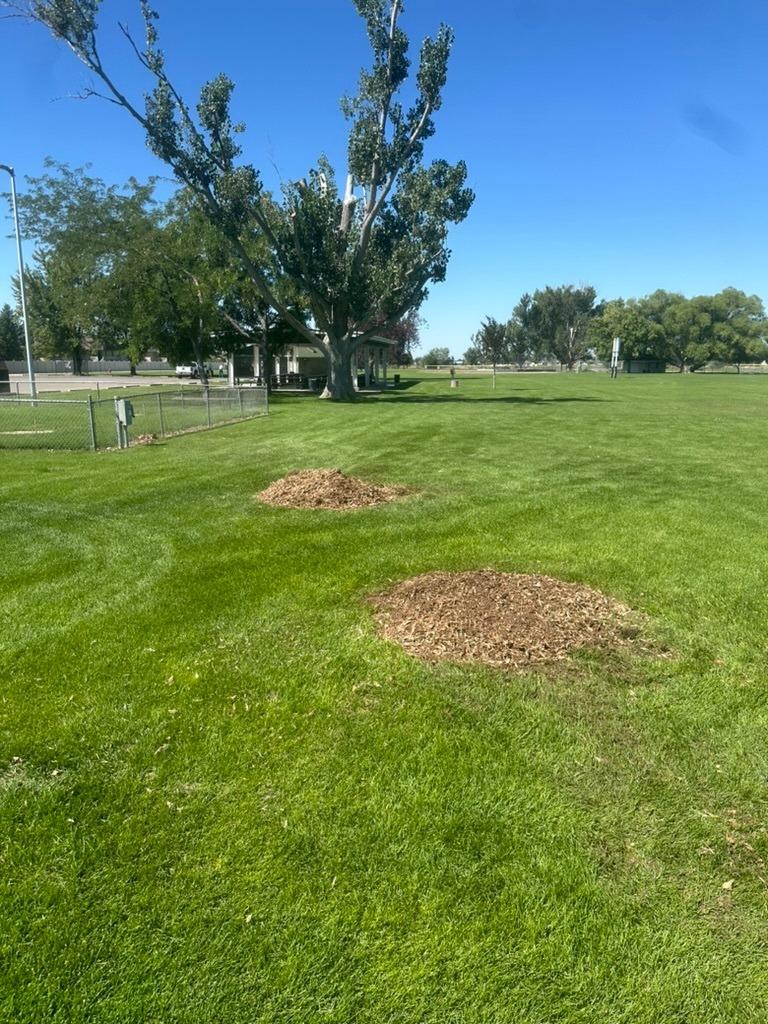
The stump is broken down into mulch-like wood chips that settle into the soil where the stump once stood. This creates a loose, organic layer that gradually blends into the surrounding ground.
Remaining Root System
Most of the tree’s roots extend beyond the grinding area. While the main stump is removed, these roots remain underground and begin to decay over time.
Disturbed Soil Zone
The grinding process loosens the soil around the stump. This area is less compact than before, which can affect how the ground behaves immediately after the work is completed.
How the Underground Area Changes Over Time
Once grinding is complete, natural processes begin to take over. These changes are gradual and can vary depending on the size of the stump and local soil conditions in Charlotte, NC.
Decomposition Process
The remaining wood and roots start to break down. Soil microorganisms slowly convert this organic material into nutrients, though the process can take months or even years for larger roots.
Ground Settling
As the organic material decomposes, its volume reduces. This can cause the ground to settle slightly, sometimes forming shallow dips that may need to be filled.
Soil Composition Shifts
During decomposition, the soil temporarily changes. Nutrients are released over time, but the balance may fluctuate before stabilizing. This can influence how well plants grow in the area shortly after grinding.
How Underground Conditions Affect Your Plans
The condition of the soil after stump grinding influences how the area can be used. The impact depends on your intended outcome.
This comparison shows that while standard grinding works for many situations, some uses require additional preparation.
How to Prepare the Area After Grinding
Once the stump is removed, preparing the ground properly helps avoid issues later. The approach depends on how you plan to use the space.
1. Clear or Manage Wood Chips
Decide whether to leave the wood chips in place, remove them, or mix them into the soil. This choice depends on whether the area will be used for planting or structural work.
2. Level the Surface
If the ground appears uneven, adding soil helps create a smooth and stable surface. This is especially important for lawn restoration.
3. Monitor for Changes
Over time, check for signs of settling. Small adjustments may be needed as the organic material continues to break down.
4. Prepare for Planting or Projects
If you plan to plant or build, improving soil quality or compacting the ground ensures better long-term results.
FAQs About What Happens After Stump Grinding
Are all the roots removed during stump grinding?
No. The main stump and nearby material are removed, but most roots remain underground and decompose naturally.
Will the ground sink after stump grinding?
Some settling is normal as the remaining material breaks down. This can be corrected by adding soil if needed.
Can I plant immediately after stump grinding?
Grass and small plants can usually be added right away, but larger plantings may require soil preparation.
Do the roots continue to grow after grinding?
No. Once the tree is removed, the root system stops growing and gradually decays.
Is the soil ready for landscaping right after grinding?
It can be, but leveling or minor preparation may be needed depending on the project.
Conclusion
Stump grinding removes the visible stump, but below ground, the process continues as roots and organic material gradually decompose. The soil may settle, shift, and stabilize over time, depending on how the area is managed.
For property owners in Charlotte, NC, understanding these underground changes makes it easier to prepare the space properly—whether for lawn restoration, planting, or construction. Working with a focused provider like ASAP Stump Grinding ensures the job is handled efficiently, leaving you with a clean surface and a solid starting point for your next project.
