Do You Need Root Chasing After Stump Grinding?
Introduction
After a stump is ground down, the surface often looks finished. The visible part of the tree is gone, and the area can be leveled or covered. But beneath that surface, the root system may still extend outward, sometimes affecting how the space can be used.
This is where root chasing comes into consideration. It’s not always required, but in certain situations, it becomes an important step—especially for properties in Charlotte, NC, where landscaping, soil conditions, and property layouts vary.
Understanding when root chasing is necessary helps you avoid doing too little or paying for work you don’t actually need.
What Is Root Chasing?
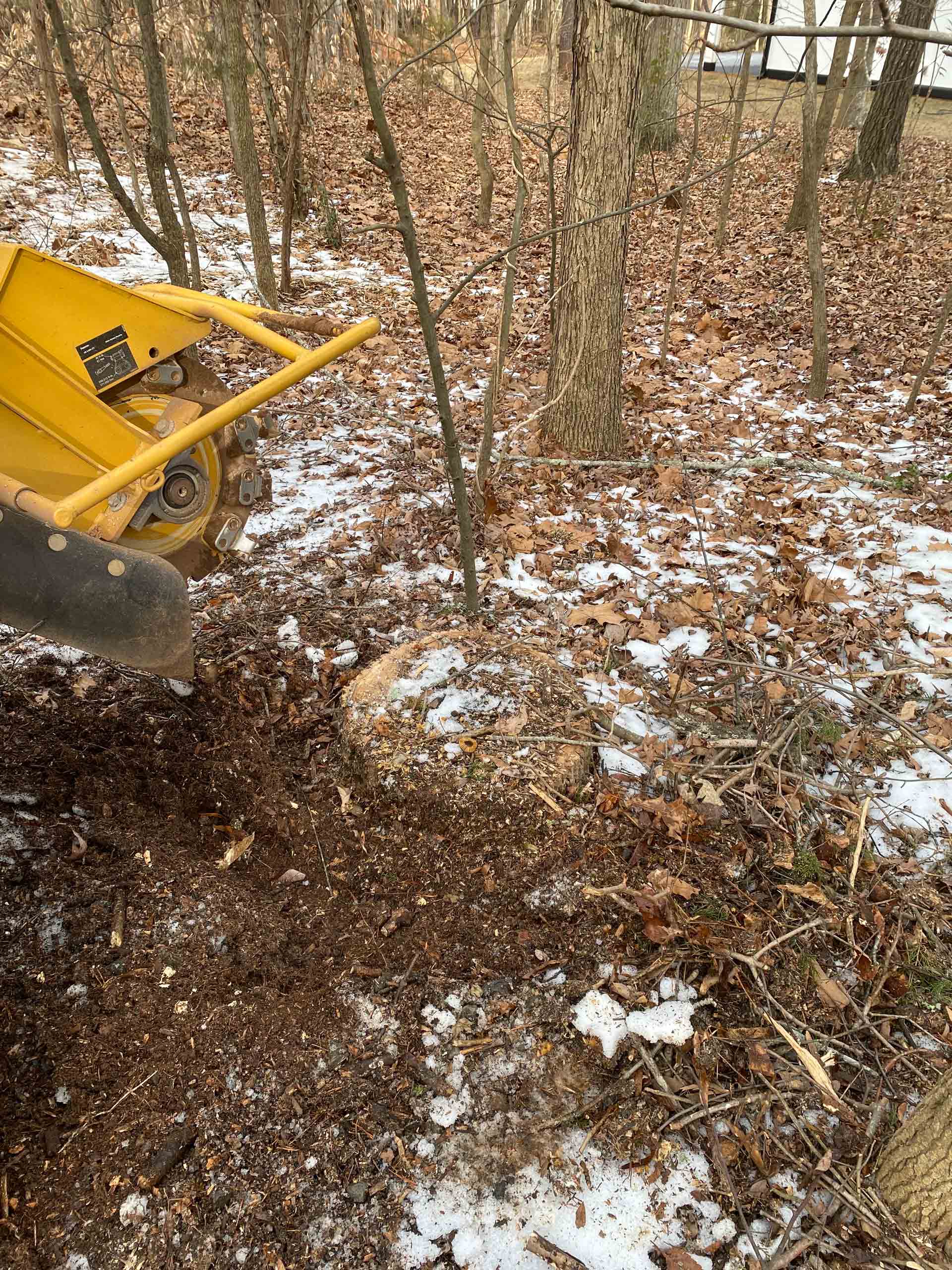
Root chasing is the process of grinding or removing surface-level roots that extend beyond the main stump area. Unlike standard stump grinding, which focuses on the central base, root chasing targets the visible or problematic roots spreading across the ground.
It’s typically performed as an additional service when roots interfere with how the space will be used. Instead of removing the entire root system, it focuses on the portions that affect usability or appearance.
When Root Chasing Is Necessary
Root chasing is not required for every stump grinding project. It becomes relevant when specific conditions make remaining roots a problem.
Surface Roots Affecting Lawn Use
Roots that sit close to the surface can interfere with everyday use of the yard.
Uneven ground can make mowing difficult
Exposed roots create tripping hazards
Grass may struggle to grow evenly
In these cases, removing surface roots improves both function and appearance.
Preparing for Landscaping Projects
If you’re planning to install landscaping features, remaining roots can get in the way.
Garden beds may not sit evenly
Planting areas may lack sufficient depth
Roots can interfere with soil preparation
Root chasing helps create a more workable space.
Installing Hardscaping or Structures
Projects like patios, walkways, or driveways require a stable base.
Roots can shift as they decompose
Uneven settling can affect structures
Remaining roots can limit proper installation
Removing problematic roots reduces long-term risk.
Roots Extending Beyond the Stump Area
Some trees develop wide root systems that spread far beyond the stump.
Roots may reach under nearby areas
Visible surface roots can impact large sections of the yard
The stump may be gone, but the roots still affect usability
In these cases, root chasing addresses the broader impact of the tree.
When Root Chasing Is Not Necessary
In many situations, standard stump grinding is enough. Root chasing becomes unnecessary when the remaining roots don’t interfere with the intended use of the space.
For basic lawn restoration, underground roots typically decompose over time without causing significant issues. If the area will remain as open ground or grass, the added step of root chasing may not provide meaningful benefits.
It’s also not required when roots are deep below the surface and unlikely to affect future use. In these cases, natural decomposition is usually sufficient.
Root Chasing vs Standard Stump Grinding
Understanding the difference between these two approaches helps clarify when each is appropriate.
Standard grinding handles the primary removal, while root chasing addresses the surrounding root system when needed.
How to Decide If You Need Root Chasing
If you’re unsure whether root chasing is necessary, a simple evaluation process can help guide your decision.
1. Identify Your End Goal
Consider how you plan to use the space.
Lawn only → usually not needed
Landscaping or construction → may be required
2. Inspect the Surface Area
Look for visible roots extending beyond the stump.
Are they exposed above ground?
Do they interfere with movement or maintenance?
3. Evaluate Soil Condition
Check whether roots are affecting the stability or usability of the ground.
Uneven areas
Raised sections
Limited planting depth
4. Consider Long-Term Use
Think about how the area will be used over time. If future plans require a smooth and stable surface, root removal may be beneficial.
5. Request a Professional Assessment
An on-site evaluation helps determine whether root chasing is necessary based on the specific conditions of your property.
FAQs About Root Chasing
Is root chasing required after every stump grinding job?
No. It’s only needed when surface roots interfere with the intended use of the space.
Do all tree roots need to be removed?
No. Most roots can remain underground and decompose naturally without causing issues.
Does root chasing increase the cost?
Yes. It adds extra work, but it may be necessary depending on your plans for the area.
Will roots grow back after stump grinding?
No. Once the tree is removed, the root system stops growing and gradually decays.
Is root chasing important for replanting?
It can be helpful if roots limit space or affect soil conditions, especially when planting in the same area.
Conclusion
Root chasing is a targeted step that’s only necessary when surface roots affect how you plan to use your space. While standard stump grinding removes the main stump, remaining roots can still influence lawn maintenance, landscaping, or construction depending on their location and extent.
For property owners in Charlotte, NC, evaluating your goals and the condition of the area helps determine whether root chasing is worth it. Working with a specialized provider like ASAP Stump Grinding ensures the right approach is taken—whether that means stopping at standard grinding or addressing roots that impact the usability of your property.
